
peripheral water pump
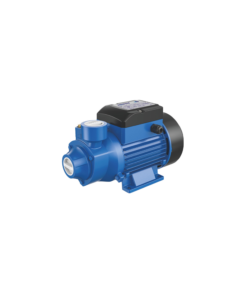
peripheral water pump
peripheral water pump
peripheral water pump
Reliable Peripheral Water Pump for Daily Water Use
A peripheral water pump is a compact unit designed to transfer clean water efficiently from one location to another. Even though it is compact, it can deliver strong water pressure, especially when the flow rate is low.
Many homeowners and businesses use peripheral pumps to boost water pressure for faucets, showers, or irrigation systems. They work in a simple and active way, which makes them easy to use, even for people with basic knowledge.
Homes, gardens, and small shops rely on these pumps every day for their water needs. In the next sections, we explain everything about peripheral pumps in a clear and friendly way.
What Is a Peripheral Water Pump?
A high-quality peripheral water pump (also called a regenerative pump) produces high pressure at a low flow rate. It can push water to a great height or through long pipes, even though it does not move a large amount of water at once.
Inside the pump is an impeller, a small wheel equipped with blades that drive the water movement. When the pump operates, the impeller rotates at high speed and drives the water outward. With each rotation, the water gains additional pressure.
After several spins around the impeller, the water exits the pump at a much higher pressure than when it entered. This key feature is what sets peripheral pumps apart.
However, these pumps perform best when used with clean water only. Do not use them with water that contains sand, dirt, or other solids, because these particles can damage the pump.
Because they work with clean water and provide strong pressure, peripheral water pumps serve many important water-moving needs.
How Does a Peripheral Pump Work?
Peripheral pumps work in a simple step-by-step process:
Water Enters the Pump: Water is drawn in through the suction inlet (the entry point of the pump). Impeller Spins: Inside, a fast-spinning impeller with many small blades gives energy to the water. The water moves around the periphery (edge) of the impeller multiple times, gaining speed and pressure each time. Pressure Increases: Because of this circular motion, the water pressure rises with each pass. The design lets the pump add pressure in stages, which is why even a small pump can create a strong output. Water Exits at High Pressure: Finally, the water leaves through the discharge outlet. The water exits at a higher pressure than it had when it entered the pump. For example, a peripheral pump can move water to an upper floor or up a slope, even with a low flow rate.In summary, the pump’s clever design allows it to build up pressure gradually. Peripheral pumps gain power because the water circles the impeller edges multiple times. This process is efficient and effective, ensuring a steady high-pressure water supply where needed.
Key Features and Benefits of Peripheral Pumps
Peripheral water pumps offer several important features and advantages for users:
High Pressure at Low Flow:
Peripheral pumps are excellent for situations where you need strong pressure but not a huge volume of water. For example, they can push water far through a garden hose or lift it to a rooftop tank, even when the flow is modest. This efficiency makes them ideal for pressure boosting tasks.
Compact Size:
These pumps are usually small and space-saving. You can install them easily in tight spaces or compact pump rooms without difficulty. Their lightweight, compact build also means they are portable and easy to handle when installing or doing maintenance.
Energy Efficient and Affordable:
Peripheral pumps tend to use less electricity compared to larger pumps, yet they still perform well. They don’t need a large motor to create high pressure, so they consume less power overall. Moreover, they are often affordable to purchase and maintain. This combination of low upfront cost and low running cost makes users happy and saves money in the long run.
Reliable and Low Maintenance:
Thanks to a simple design with fewer moving parts, peripheral pumps are reliable. Fewer components can wear out in this design.
As a result, these pumps do not break down easily and need only minimal maintenance. Regular checks and basic care, like making sure the water is clean, are usually enough to keep them running smoothly.
Many models also come with built-in protections, such as thermal overload protection. These features protect the pump and extend its lifespan.Self-Priming (in Some Models):
Some peripheral pumps come with self-priming capability. This means they can begin pumping even with a bit of air in the line or when placed slightly above the water source. This feature is useful because the pump can pull water on its own after setup, without manual priming. Not all peripheral pumps have this feature, but those that do are easier to start and operate.
Quiet Operation:
Many peripheral pumps operate quietly. They produce less noise compared to some larger pumps. This benefit matters at home or near living areas because the pump won’t disturb your peace. Using one in a kitchen, garden, or basement is generally pleasant because you might hardly notice the sound.
Overall, peripheral pumps offer a strong mix of performance and easy-to-use features. Whether you need a pump for a small home project or a commercial task, these benefits make peripheral pumps a popular choice.
Common Applications of Peripheral Water Pumps
Because of their unique capabilities, peripheral pumps are used in a wide range of applications. Here are some of the most common uses:
Home Water Pressure Boosting:
In many houses, the water pressure from the main supply can be low. A peripheral water pump can boost the pressure so that showers, sinks, and toilets get a stronger flow. For instance, if you have a weak shower, adding a peripheral pump can help push water to the showerhead with more force. They also fill rooftop water tanks quickly when normal water pressure is too low.
Gardens and Irrigation:
Gardeners and homeowners use peripheral pumps to water lawns, flower beds, and vegetable gardens.
You can connect a peripheral pump to a garden hose or a sprinkler system to deliver directed water flow. It can pull water from a tank or well and spray it across the garden with strong pressure.
This helps save time and effort, especially in large gardens. For example, a peripheral pump can run several sprinklers by giving each one enough pressure.
Small Farms and Greenhouses:
Farmers with small plots, orchards, or greenhouses also find peripheral pumps useful. These pumps can move clean water from a well or a storage tank to irrigate crops or water livestock.
For example, a farmer might use a peripheral pump to push water through drip-irrigation lines inside a greenhouse. The steady pressure helps the water reach the end of long irrigation hoses.
A peripheral pump provides steady water to small farm setups exactly when and where farmers need it.
Building Services (Heating and Cooling):
In some buildings, peripheral pumps are used in heating or cooling systems. They help circulate water through pipes in HVAC systems (Heating, Ventilation, and Air Conditioning) to control temperature.
For example, a peripheral pump can move water through radiators or into an AC cooling circuit.
Their strong pressure makes sure water reaches every part of the system, even when the pipes are narrow or the building is tall.
This steady water flow keeps the HVAC system efficient and prevents hot or cold spots.
Small Industrial Applications:
Peripheral pumps aren’t just for homes — they also appear in small industrial and commercial settings.
For example, in a small workshop, a peripheral pump can move clean fluids—like water or light oil—between machines or tanks.
They are also helpful in tasks that need a steady, pressurized flow of clean liquid, such as feeding a boiler or washing equipment.
They can handle small air bubbles, making them reliable for chemical dosing or cooling loops.
Peripheral pumps are versatile tools used in many places. They work well for everyday home needs and also handle small industrial tasks.
They give steady performance in situations that need high pressure but low water flow. They can also run for long periods and manage small amounts of air mixed in the water.
However, they must have clean water to work properly. Always use a filter and remove any debris before the pump inlet to protect the pump.